Last Update:
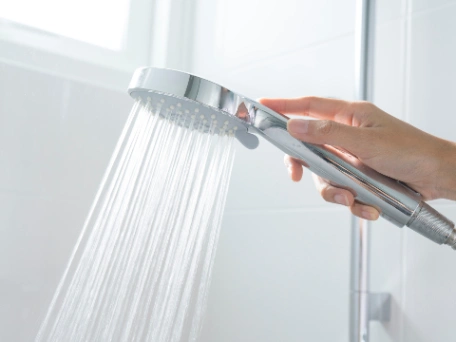
If your hot water system is not working, the issue is often caused by a faulty heating element, thermostat malfunction, power supply problem, or gas supply issue. Electric water heaters may stop producing hot water due to tripped circuit breakers or internal component failure, while gas systems can fail due to pilot light issues or gas flow interruptions.
Common signs of hot water problems include cold water, inconsistent temperature, low water pressure, leaks, or strange noises from the system. In many cases, simple checks like inspecting the power supply, pilot light, or thermostat settings can help identify the issue.
If the problem continues or the system is older, professional repairs or replacement may be required. Regular maintenance can help prevent breakdowns and extend the lifespan of your hot water system.
Is your hot water not working or only giving cold water?
If your hot water system is not working, your water heater may have a fault with the heating element, thermostat, or internal tank components. Whether your hot water system has stopped completely or your shower is suddenly cold, there are several common reasons why this happens.
Most hot water problems are caused by issues with the water heater, heating element, thermostat, or gas supply. In some cases, it may be something simple like a tripped circuit breaker or pilot light going out.
This guide will walk you through the most common causes, simple troubleshooting steps, and when it’s time to call a plumber.
Common Reasons Your Hot Water System Is Not Working
There are several common reasons why a hot water system stops working.
These include:
- Faulty heating element in electric systems
- Thermostat malfunction, affecting temperature
- Gas leak or gas supply interruption
- Sediment build-up inside the tank
- Water leaks or damaged pipes
- Relief valve or pressure issues
- General system wear over time
These common causes affect both electric and gas water heaters and are often linked to age, maintenance, and hot water usage.
What to Check First (Simple Troubleshooting Guide)
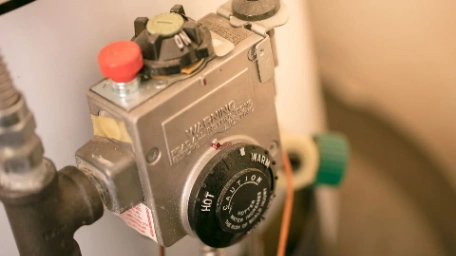
Before calling a plumber, there are a few basic troubleshooting steps you can take.
1. Check Power and Circuit Breaker
If you have an electric water heater, check the circuit breaker and power supply. A tripped breaker can stop the system from heating water.
2. Check the Thermostat and Temperature Settings
If your water temperature is too low or inconsistent, the thermostat may need adjusting or may be faulty.
3. Check the Pilot Light (Gas Systems)
Gas heaters rely on a pilot light. If the pilot light goes out, your system will not heat water.
4. Check for Leaks Around the Tank
Inspect the tank, pipes, and connections for water leaks. Even small leaks can affect system performance.
5. Check Valves and Pressure
Faulty valves or pressure issues can impact hot water availability and cause system problems.
Electric Hot Water Heater Not Working
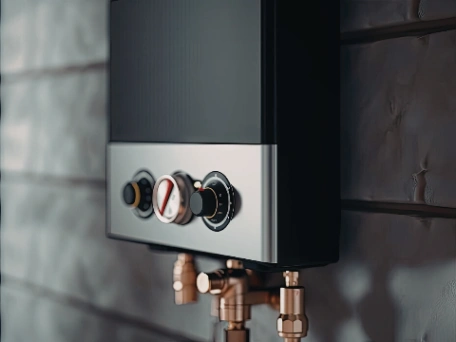
If your electric hot water heater is not working, the problem is often internal.
Common issues include:
- Faulty heating element
- Thermostat malfunction
- Electrical supply problems
- Sediment build-up in the tank
A faulty heating element is one of the most common causes of hot water failure in electric systems. Without proper heating, the system cannot produce hot water.
Gas Hot Water System Not Working
Gas systems rely on both gas supply and ignition.
Common gas system problems include:
- Pilot light failure
- Gas leak or gas supply issue
- Burner or valve faults
- Gas heater not igniting
Gas leaks are serious. If you smell gas, you should turn off appliances, open windows, and leave the area before calling a licensed plumber. For official safety advice on gas leaks and what to do, refer to NSW Fair Trading guidance
Continuous Flow and Instantaneous Hot Water Systems
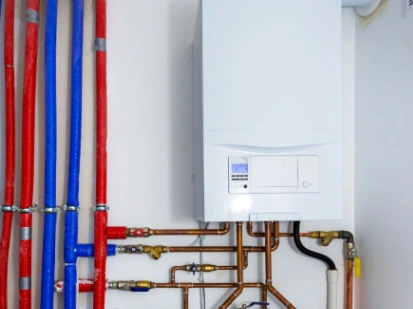
Continuous flow systems (also called instantaneous hot water systems) heat water on demand instead of storing it in a tank.
While these systems often last longer, they can still experience:
- Error codes
- Temperature fluctuations
- Sensor or system faults
Many continuous flow systems, including Rinnai models, display error codes when there is a fault. These codes can help identify issues with heating, water flow, or internal components.
You can refer to a manufacturer's troubleshooting guide to better understand these error codes and what they mean.
Key Parts of a Hot Water System and How They Fail
Understanding how your hot water system works helps identify problems faster.
Heating Element
Heats the water in electric systems. If it fails, the water stays cold.
Thermostat
Controls water temperature. A faulty thermostat can cause hot water issues or temperature changes.
Tank
Stores hot water. Over time, corrosion and sediment build-up can damage the tank.
Anode Rod
Protects the tank from corrosion. If it wears out, tank damage increases.
Valves and Pressure Components
Regulate pressure inside the system. Faulty valves can cause leaks or safety issues.
Pipes and Connections
Deliver hot water to your home. Damaged or blocked pipes can reduce water pressure and hot water supply.
Common Hot Water Problems in the Home
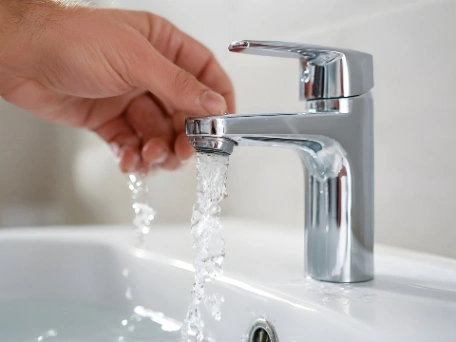
Hot water issues often show warning signs before complete failure.
These include:
- Cold showers or no hot water
- Reduced hot water supply
- Strange noises from the heater
- Rusty or discoloured water
- Water temperature changes
- Higher energy bills
If your hot water stops suddenly, it may be due to a system fault or electrical issue.
How Cold Weather and Usage Affect Your System
Cold weather can impact hot water performance, especially in systems with high hot water demand.
In winter:
- Systems work harder to heat water
- Heating cycles increase
- Hot water may run out faster
High usage from multiple appliances, showers, and taps can also reduce available hot water.
Hot Water System Maintenance and Preventing Common Problems
Regular hot water system maintenance is one of the best ways to prevent common water heater problems and extend the life of your system.
Without proper maintenance, issues like sediment build-up, low water pressure, and reduced water flow can develop over time. These problems can affect your hot water supply and lead to system failure.
Key Maintenance Tasks
To keep your hot water system working properly, regular maintenance should include:
- Flushing the water heater tank to remove sediment build-up
- Checking the anode rod to prevent corrosion inside the tank
- Inspecting hot water pipes for leaks or damage
- Testing the relief valve and system pressure
- Checking water flow and temperature consistency
How Water Quality Affects Your System
Water quality plays a major role in system performance. In areas with hard water, minerals can build up inside the tank and pipes, reducing efficiency and causing long-term damage.
Sediment build-up is one of the most common causes of reduced hot water flow and poor system performance.
Preventing Issues in Cold Weather
In colder conditions, frozen pipes can affect your hot water system. Frozen pipes can block water flow and put pressure on the system, leading to leaks or damage.
Taking steps to protect your pipes during cold weather can help prevent unexpected hot water problems.
Why Maintenance Matters
Regular servicing by local plumbers helps:
- Improve system efficiency
- Maintain a consistent hot water supply
- Prevent costly repairs
- Extend the lifespan of hot water units
A well-maintained system is less likely to fail suddenly and more likely to deliver reliable hot water when you need it.
When to Call a Plumber or Emergency Plumbing Service
Some issues require professional help.
Call a plumber if:
- Your hot water system is not working at all
- You notice water leaks or pressure issues
- There are gas or electrical problems
- The system keeps failing
- You suspect a gas leak
Emergency plumbers can respond quickly to restore hot water and prevent further damage.
When Hot Water System Replacement Is the Better Option
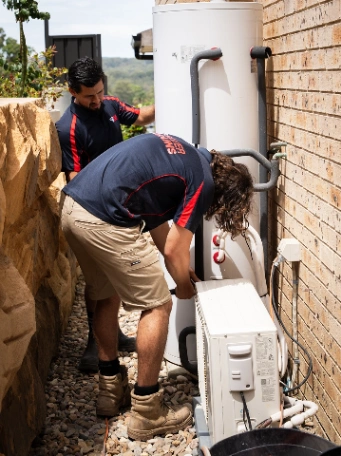
In some cases, hot water repairs are enough to fix the issue. However, if your system is older or experiencing frequent problems, hot water system replacement may be the better option.
A failing system can lead to ongoing issues such as:
- Low water pressure
- Inconsistent hot water temperature
- Water heater failure
- Leaks from the tank or pipes
- Reduced hot water availability
Signs You May Need Replacement
You should consider replacing your system if:
- Your hot water system is over 10 years old
- Repairs are becoming more frequent
- Your water heater tank is leaking
- Hot water stops unexpectedly
- Your system cannot keep up with hot water usage
Benefits of Replacing Your Hot Water System
Upgrading your hot water system can:
- Improve water flow and pressure
- Provide consistent hot water
- Reduce energy costs
- Improve system efficiency
- Eliminate ongoing repair issues
A new system can also better handle modern household demand from showers, taps, and appliances.
Repair vs Replacement
As a general rule:
- Newer systems → repairs are often suitable
- Older systems → replacement is more cost-effective
If your system is showing signs of wear, replacing it early can help avoid emergency breakdowns.
Need Help with Your Hot Water System?
If your hot water is not working and you’re unsure why, our team can help.
We provide expert plumbing services, including hot water repairs, maintenance, and system replacement. Our local plumbers can quickly diagnose the issue and get your hot water working again.
Book now online or call 0480 020 848 to speak with our team.
Published by: 17 April 2026